

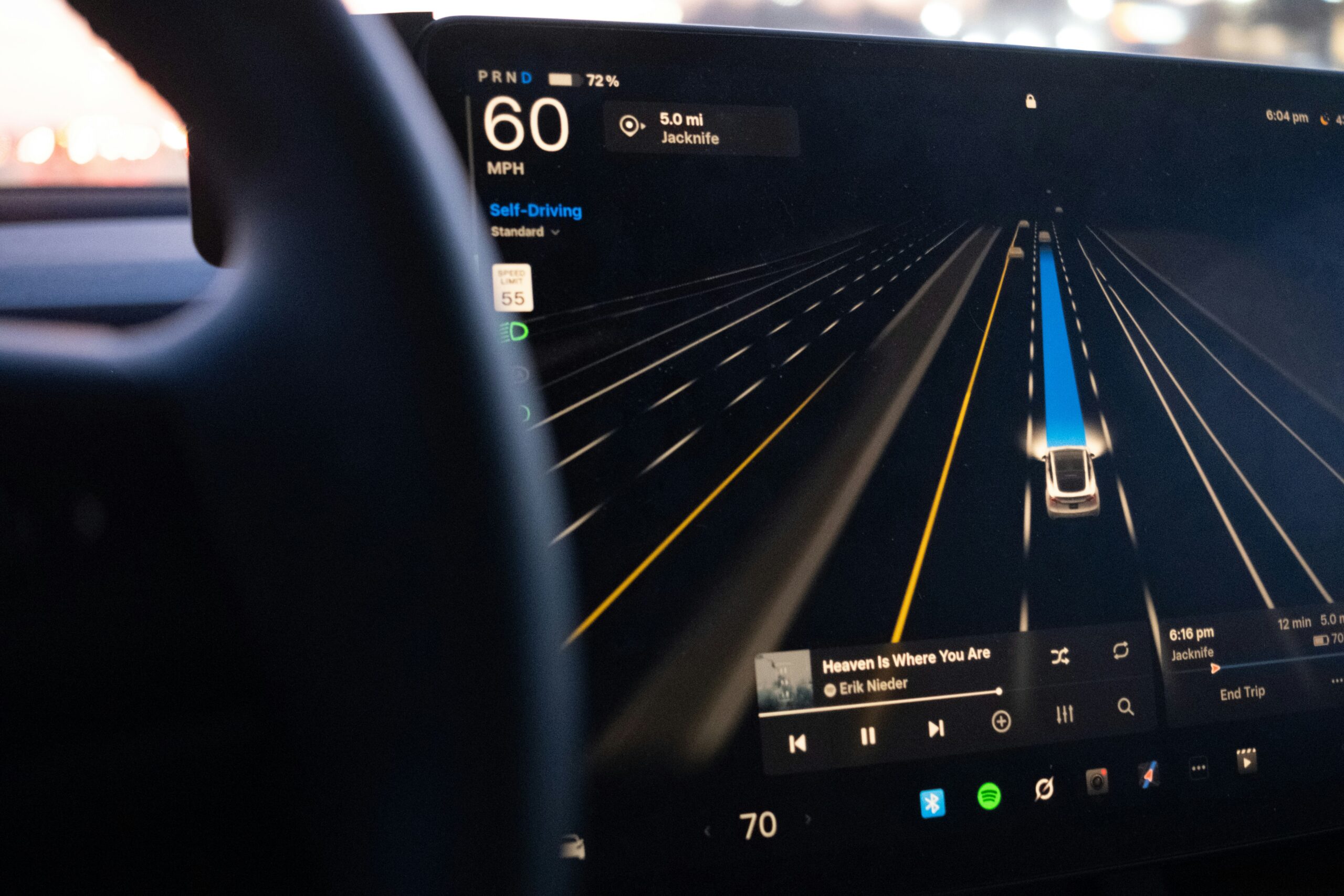
Modern vehicle safety technology is evolving rapidly to keep drivers safe on busy roads everywhere. Traffic congestion and unpredictable drivers create high-risk driving environments every single day.
Human reaction times are often too slow when sudden dangers appear on high-speed highways. Distractions like loud music or passenger conversations can easily divert your attention for crucial split seconds.
Automatic emergency braking systems step in as an active digital co-pilot during critical moments. These intelligent safety platforms constantly scan the road ahead using advanced sensory equipment.
They can detect sudden obstacles and apply full stopping power faster than any human driver can. This groundbreaking technical innovation drastically reduces severe front-end collisions across urban streets and busy freeways.
Investing in a vehicle equipped with smart stopping tech offers unmatched protection for your whole family. Let us explore how intelligent emergency braking transforms road safety and prevents costly traffic accidents.
How Smart Radar Sensors Detect Hidden Road Dangers

Modern emergency braking platforms rely on a powerful combination of radar sensors and digital cameras. Mounted discreetly behind the front grille and windshield, these sensors continuously monitor surrounding traffic.
They instantly calculate the precise distance and speed relative to objects directly in your path. This real-time spatial awareness allows the system to identify crash risks long before you notice them.
A. Front radar sensors pierce through heavy fog and pouring rain to detect stopped traffic.
B. High-definition stereo cameras identify pedestrians, cyclists, and large road debris quickly.
C. Advanced software algorithms predict potential collision trajectories with extreme speed and accuracy.
D. Continuous spatial scanning provides total peace of mind during nighttime highway driving.
If you frequently drive in heavy fog or torrential rain, choose a system combining radar and cameras. Dual-sensor setups ensure reliable hazard detection when visual visibility drops near zero.
Instant Brake Assist Application Beats Human Reflexes
When a sudden obstacle appears, a human driver takes over a full second to react and press the pedal. Smart emergency braking systems bypass human delay entirely by pre-charging the hydraulic braking system.
If the driver fails to respond to loud auditory warnings, the car applies maximum braking force automatically. This instant physical response cuts stopping distances significantly to prevent high-speed impact damage.
A. Pre-charged brake lines deliver maximum hydraulic pressure the moment a crash threat appears.
B. Automated full-force braking reduces impact velocity dramatically even if a collision proves unavoidable.
C. Loud audio chirps and flashing dash alerts warn distracted drivers to take immediate manual control.
D. Rapid deceleration triggers rear hazard lights automatically to warn vehicles following closely behind.
To prevent sudden false-positive braking triggers, keep your front camera and radar housing completely clean. Wiping away dirt and road salt keeps sensor readings clear and accurate every day.
Pedestrian And Cyclist Protection In Busy Cities
Urban driving environments present complex hazards involving unpredictable pedestrians, scooters, and city cyclists. Traditional passive safety features like airbags only protect vehicle occupants after an impact occurs.
Smart emergency braking expands safety coverage outward to protect vulnerable road users around your car. Intelligent city-speed algorithms actively detect pedestrians stepping off curbs unexpectedly during busy commutes.
A. Wide-angle camera sensors scan crosswalks and sidewalks for sudden pedestrian movements into traffic.
B. Night vision enhancements detect pedestrians wearing dark clothing on dimly lit city streets.
C. Rapid urban deceleration prevents catastrophic low-speed impacts at busy city intersections.
D. Smart cycle detection algorithms identify bicycles weaving through tight stop-and-go morning traffic.
When driving through crowded school zones or downtown areas, enable high-sensitivity urban braking modes. Tuning sensitivity settings gives your car extra time to react to darting pedestrians.
Preventing Costly Chain-Reaction Rear End Collisions
Highway pileups usually happen because tailgating vehicles cannot stop fast enough when traffic halts suddenly. A single distracted driver can trigger a massive chain reaction involving dozens of commuting vehicles.
Smart emergency braking platforms monitor multiple vehicles ahead, not just the single car directly in front. Detecting sudden deceleration two cars ahead allows your vehicle to slow down smoothly and safely.
A. Multi-vehicle radar tracking anticipates sudden traffic slowdowns several car lengths ahead instantly.
B. Smooth predictive braking prevents harsh lockups that cause following cars to rear-end you.
C. Reduced collision frequency keeps your auto insurance premiums low and clean year after year.
D. Structural vehicle damage drops significantly, saving you thousands of dollars in costly repairs.
Maintain a safe follow distance even when driving a car with advanced automatic braking features. Combining smart active tech with safe driving habits guarantees total protection on fast highways.
Lower Insurance Rates And High Resale Value
Equipping your daily driver with smart safety features delivers immediate and long-term financial benefits. Insurance providers routinely offer substantial policy discounts for vehicles with certified automatic stopping tech.
Furthermore, pre-owned car buyers aggressively prioritize active safety equipment when shopping for used family vehicles. Choosing a safety-equipped model protects your upfront financial investment when trading in later.
A. Major insurance carriers offer annual discount perks for cars with active crash prevention tech.
B. High safety ratings make your vehicle far more attractive on competitive secondary pre-owned markets.
C. Reduced accident history preserves your vehicle’s clean title status and total trade-in valuation.
D. Lower repair bills prevent unexpected out-of-pocket expenses throughout your overall ownership period.
Always inform your auto insurance provider as soon as you purchase a safety-equipped vehicle. Claiming your active safety discount reduces your monthly vehicle ownership costs straight away.
Conclusion

Smart emergency braking systems are fundamentally changing modern automotive safety standards for everyday drivers. They act as an ever-vigilant digital co-pilot that never gets tired or distracted on long trips.
These platforms drastically reduce the likelihood and severity of devastating front-end highway crashes. Advanced radar and camera setups react far faster than humanly possible during sudden emergency situations.
Vulnerable pedestrians and city cyclists enjoy far better protection on busy urban streets today. Multi-vehicle tracking prevents multi-car pileups by anticipating sudden traffic slowdowns well in advance.
Vehicle owners enjoy lower insurance premiums and higher long-term resale values on secondary markets. Avoiding expensive accident repairs keeps extra money inside your personal household budget continuously.
Prioritizing active safety technology is one of the smartest decisions any car buyer can make. Experience the incredible confidence and total peace of mind that smart braking provides your family.
Take time to test drive a vehicle equipped with automatic emergency braking at a local dealership. Upgrade your daily drive today and stay safe on every road you travel.

