

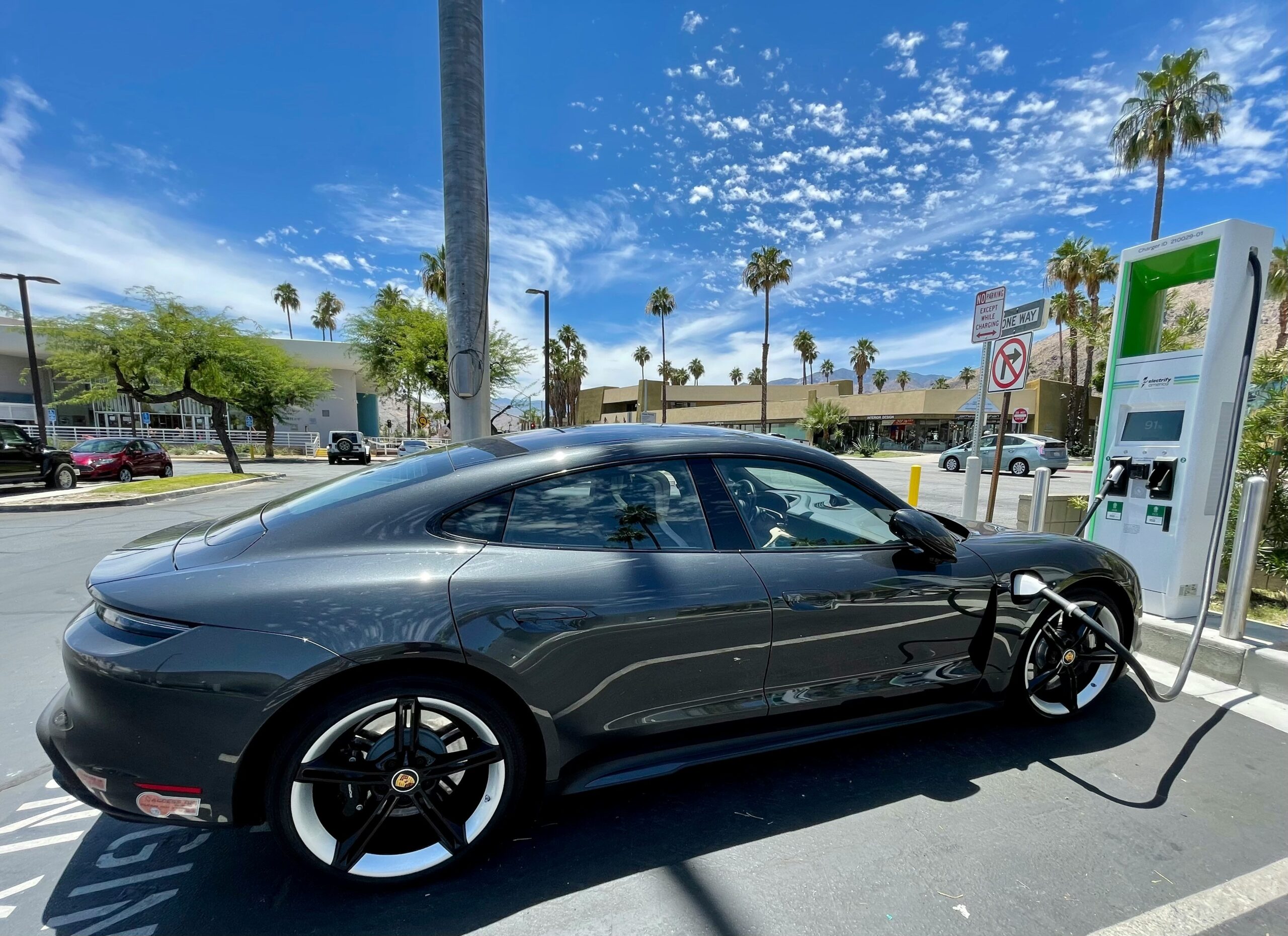
Navigating the financial landscape of electric vehicle ownership is changing rapidly for car shoppers. Federal tax policies heavily influence how much you end up paying for a clean vehicle.
For years, government incentives helped make zero-emission cars far more affordable for average households. However, shifting federal tax rules are creating new hurdles and fresh opportunities for prospective buyers.
Understanding how these policy updates affect your wallet is crucial before visiting any dealership. Changes to purchase credits mean you must examine the fine print much more carefully now.
At the same time, new deductions on financing costs offer fresh relief for savvy shoppers. Keeping up with these tax shifts ensures you choose the most cost-effective vehicle possible.
Let us break down what these federal policy shifts mean for your upcoming vehicle purchase. Read on to discover smart ways to maximize your overall savings when buying your car.
Shifting Incentive Rules Change Upfront Savings

Federal clean vehicle credits previously offered massive upfront discounts right at the dealership counter. These immediate savings made electric models fiercely competitive with traditional gas-powered cars.
As policy rules pivot, qualifying for those instant point-of-sale price reductions gets significantly trickier. Strict manufacturing guidelines force buyers to evaluate vehicle origin before signing any sales contracts.
A. Strict assembly location requirements dictate which vehicles still qualify for federal perks.
B. Sourcing rules for battery minerals determine the exact amount of available tax savings.
C. Income caps continue to restrict high earners from claiming direct clean vehicle incentives.
D. Retail price limits keep luxury electric models from receiving federal government subsidies.
Car buyers often get disappointed when discovering their favorite car missed out on incentive eligibility. Always ask the dealership to verify the vehicle identification number through official IRS portals beforehand.
New Auto Loan Interest Tax Deductions Emerge
While traditional tax credits fade, lawmakers are introducing alternative financial relief for everyday car buyers. A major addition is the ability to deduct personal auto loan interest on qualifying purchases.
This tax deduction shifts savings from the initial sticker price toward your long-term financing structure. You can now write off significant interest expenses across your multi-year vehicle loan term.
A. Annual interest deductions reduce your overall taxable income when filing yearly returns.
B. Financing savings apply to a wider selection of vehicles beyond pure electric cars.
C. Domestic assembly guidelines ensure your loan deduction supports local manufacturing jobs.
D. Lower long-term borrowing costs make higher-tier vehicle trims much more manageable monthly.
To maximize this interest deduction, secure a loan term that balances low rates with strong tax write-offs. Compare pre-approved credit union offers against dealer financing rates to keep total interest payments low.
Strict Battery Sourcing Alters Model Eligibility
Federal updates focus heavily on where carmakers source raw battery components and critical minerals. Foreign entities of concern face immediate exclusion from receiving federal tax credit backing.
These supply chain rules mean fewer electric models qualify for maximum tax credit amounts. Automakers are scrambling to rebuild local supply networks to win back buyer incentives.
A. Foreign mineral restrictions eliminate several popular import models from receiving credit backing.
B. North American battery component quotas limit full credit access to compliant brands.
C. Rapid supply chain shifts cause model eligibility lists to change throughout the year.
D. Transparent manufacturer reports help consumers check vehicle status easily online.
Before shopping, check online database tools to see if your preferred car currently qualifies. Choosing a compliant brand ensures you do not leave thousands of dollars sitting on the table.
Used Clean Vehicles Face Changing Tax Guidelines
The pre-owned electric vehicle market previously gave budget shoppers easy access to affordable clean transportation. Federal incentives shaved off significant money from used car prices under strict cap limits.
With tax structures evolving, finding pre-owned vehicles that meet federal guidelines requires extra care. Buyers must ensure the transaction happens through licensed dealers to process any claims properly.
A. Price caps keep used car incentives focused strictly on truly affordable pre-owned inventory.
B. Single-use restrictions prevent the same pre-owned vehicle from claiming tax perks twice.
C. Income threshold rules restrict who can claim used vehicle credits at tax time.
D. Certified dealer networks handle mandatory transaction reporting directly to federal agencies.
If buying a pre-owned electric car, negotiate directly with dealers who handle automatic point-of-sale transfers. Getting your discount immediately keeps your initial loan balance and monthly payments far lower.
Strategic Timing Maximizes Your Financial Advantage
Understanding exact policy timelines helps you execute a successful and cost-effective car purchase. Rushing into a dealership without reviewing active tax rules leads to missed savings opportunities.
Timing your purchase around binding contracts and official delivery dates protects your financial interests. Knowing when new deductions kick in allows you to structure your loan perfectly.
A. Written binding contracts lock in financial incentives before policy deadlines pass.
B. Vehicle delivery timing determines which specific tax year rules apply to you.
C. End-of-quarter dealer sales events offer extra savings to stack with tax perks.
D. Comprehensive tax advice prevents unexpected surprises when filing your annual return.
Always align your vehicle delivery date with favorable tax policy windows to protect your budget. Proper planning ensures you take full advantage of both interest write-offs and remaining credits.
Conclusion

Federal tax shifts continue to reshape the overall cost of buying a new vehicle. While classic clean vehicle credits are evolving, new interest deductions offer strategic financial relief.
Staying informed empowers you to make smarter financial choices at the dealership. You can easily avoid overpaying by tracking active supply chain and assembly guidelines.
Carefully review vehicle identification numbers to confirm true eligibility before signing paperwork. Work directly with certified dealers who understand current tax reporting systems thoroughly.
Factoring financing interest write-offs into your long-term calculations opens up better purchase opportunities. Strategic buyers turn tax policy changes into personal financial savings every single time.
Take the time to evaluate your personal filing status and total household budget carefully. Smart preparation turns complicated federal updates into a smooth, cost-effective car shopping experience.
Drive home your dream vehicle with total financial confidence and complete peace of mind today. Modern vehicle financing strategies put you directly in control of your future savings.

