

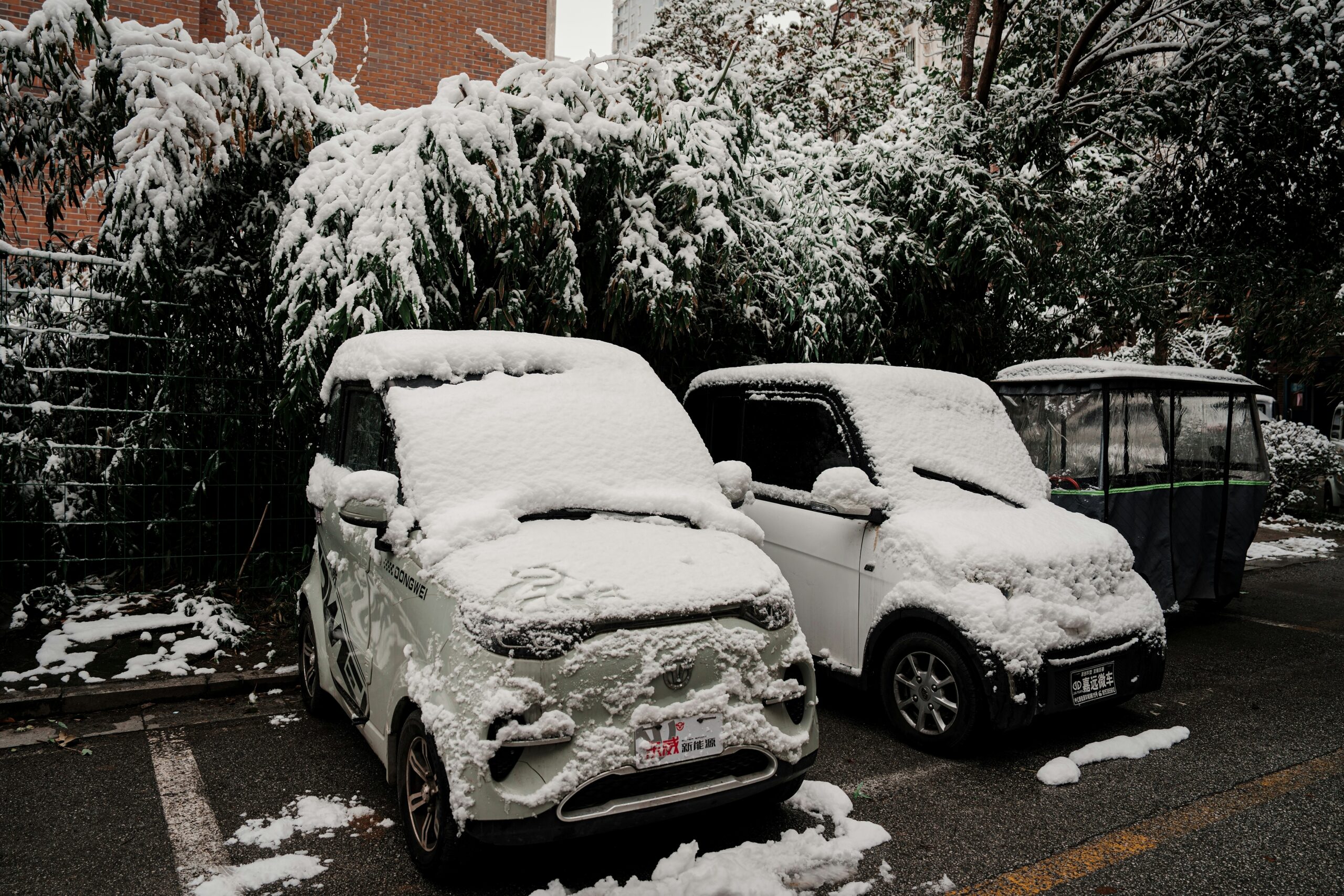
The automotive industry faces a huge challenge with electric vehicles in cold weather. Many drivers notice a sharp drop in driving range when winter arrives. Freezing temperatures slow down chemical reactions inside standard lithium batteries significantly.
This drop causes serious range anxiety for daily commuters and travelers. Heating the cabin uses extra energy that directly drains stored power. Drivers often spend more time charging their cars during cold months.
Engineers are now testing brand-new battery designs to fix this issue. These affordable energy solutions perform exceptionally well under extreme freezing conditions. They keep electric vehicles moving further without costing extra money.
Understanding this breakthrough helps you choose a more reliable electric vehicle. You can enjoy long winter trips without worrying about sudden power drops. Low-cost battery tech transforms cold weather driving for everyone today.
Read on to explore how these advances solve major winter driving problems. Discover why affordable battery innovations are changing the whole industry fast.
The Real Cause Of Cold Weather Battery Drain

Cold temperatures slow down liquid electrolytes inside conventional battery cells drastically. This chemical slowdown increases internal resistance and reduces total available power output.
At the same time, drivers blast cabin heaters to stay comfortable. Electric heaters draw massive current straight from the main battery pack.
A. Liquid electrolytes freeze up and restrict normal electron flow.
B. Cabin heating systems consume precious energy meant for driving.
C. Regenerative braking efficiency drops significantly on icy roads.
D. Fast charging speeds slow down to protect cold battery cells.
Many drivers forget that parking outside overnight speeds up power loss. Parking in an enclosed garage keeps battery cells noticeably warmer naturally. This simple habit preserves your charge without spending any money on accessories.
New Low-Cost Chemistry Solutions For Frozen Roads
Modern engineering brings solid sodium and modified iron phosphate cell chemistries forward. These alternative materials cost far less to produce than rare metals.
They also maintain stable chemical movement even in sub-zero environments. Their internal resistance stays extremely low during harsh winter storms.
A. Abundant raw materials drive manufacturing costs down significantly.
B. Stable chemical bonds prevent sudden power drops in snowstorms.
C. Advanced cell design reduces dependency on expensive nickel and cobalt.
D. Uniform thermal spread prevents dangerous localized frozen spots.
Buying an electric car with advanced low-cost chemistry lowers initial purchase costs. You also save money on winter maintenance and thermal management accessories. These savings make cold-weather electric driving accessible to standard budgets.
Smart Self-Heating Systems Protect Energy Storage
New battery designs integrate low-energy heating elements directly inside individual cells. These built-in heaters draw very little power to keep chemistry warm.
The battery automatically prepares itself before you start your morning commute. Warm battery chemistry accepts full energy charges much faster at public stations.
A. Internal heating elements warm cells evenly within just a few minutes.
B. Automated preconditioning reduces overall range loss on freezing mornings.
C. Faster winter charging sessions get you back on the road quickly.
D. Smart power distribution prevents battery wear during cold starts.
You can schedule preconditioning through your smartphone app while plugged in. The vehicle draws power directly from the grid rather than the battery. Your car stays warm while keeping full driving range intact.
Extended Lifespan Reduces Long-Term Owner Costs
Repeated cold starts stress traditional battery packs and cause permanent capacity degradation. High resistance damages internal components over several winter seasons continuously.
Cheaper cold-resistant batteries absorb extreme temperature shifts without permanent damage. They maintain high capacity levels after years of hard winter use.
A. Strong internal structure resists cracking from severe thermal expansion.
B. Stable power delivery reduces mechanical stress on electric drive motors.
C. Higher energy retention preserves total vehicle resale value over time.
D. Reduced degradation eliminates expensive premature battery replacement needs.
Drivers often panic when winter driving range drops temporarily on dashboard screens. Modern low-cost cells recover their full capacity as soon as weather warms. Tracking long-term health rather than daily swings prevents unnecessary stress.
Better Insulation Keeps Cabins Warm Efficiently
Modern electric cars now pair cheap batteries with advanced heat pump systems. These heat pumps trap residual motor heat and redirect it into cabins.
Combining smart insulation with resilient battery chemistry preserves driving distance. Drivers enjoy cozy cabin warmth without watching range meters drop rapidly.
A. Highly efficient heat pumps use minimal energy to produce warmth.
B. Advanced cabin insulation retains interior heat for much longer periods.
C. Heated seats target occupants directly to save total battery energy.
D. Reduced heater usage leaves maximum power for actual road driving.
Using seat heaters instead of blasting main cabin air saves huge energy. Direct body contact warmth keeps you comfortable while using minimal battery juice. This quick setting adjustment adds miles to your winter travel distance.
Conclusion

Cold winter weather no longer ruins electric vehicle performance for smart drivers. New affordable battery technologies handle freezing temperatures with total ease and safety.
They protect your driving range while keeping vehicle prices remarkably low. You can drive through heavy snowstorms without constantly worrying about range.
Smart self-heating features and heat pumps make winter travel comfortable for everyone. Lower production costs pass savings directly to standard consumer car buyers.
Battery degradation drops significantly even after years of harsh winter conditions. Drivers save money on fuel, maintenance, and future battery replacements.
Adopting these cheap resilient battery systems makes electric cars far more practical. The future of winter transportation looks brighter and more accessible today.
You no longer have to compromise between driving comfort and total range. Choose a modern cold-resistant electric model for your next family vehicle.
Enjoy seamless winter road trips with total confidence and real peace of mind. Reliable eco-friendly driving is finally ready for every season of the year.

