

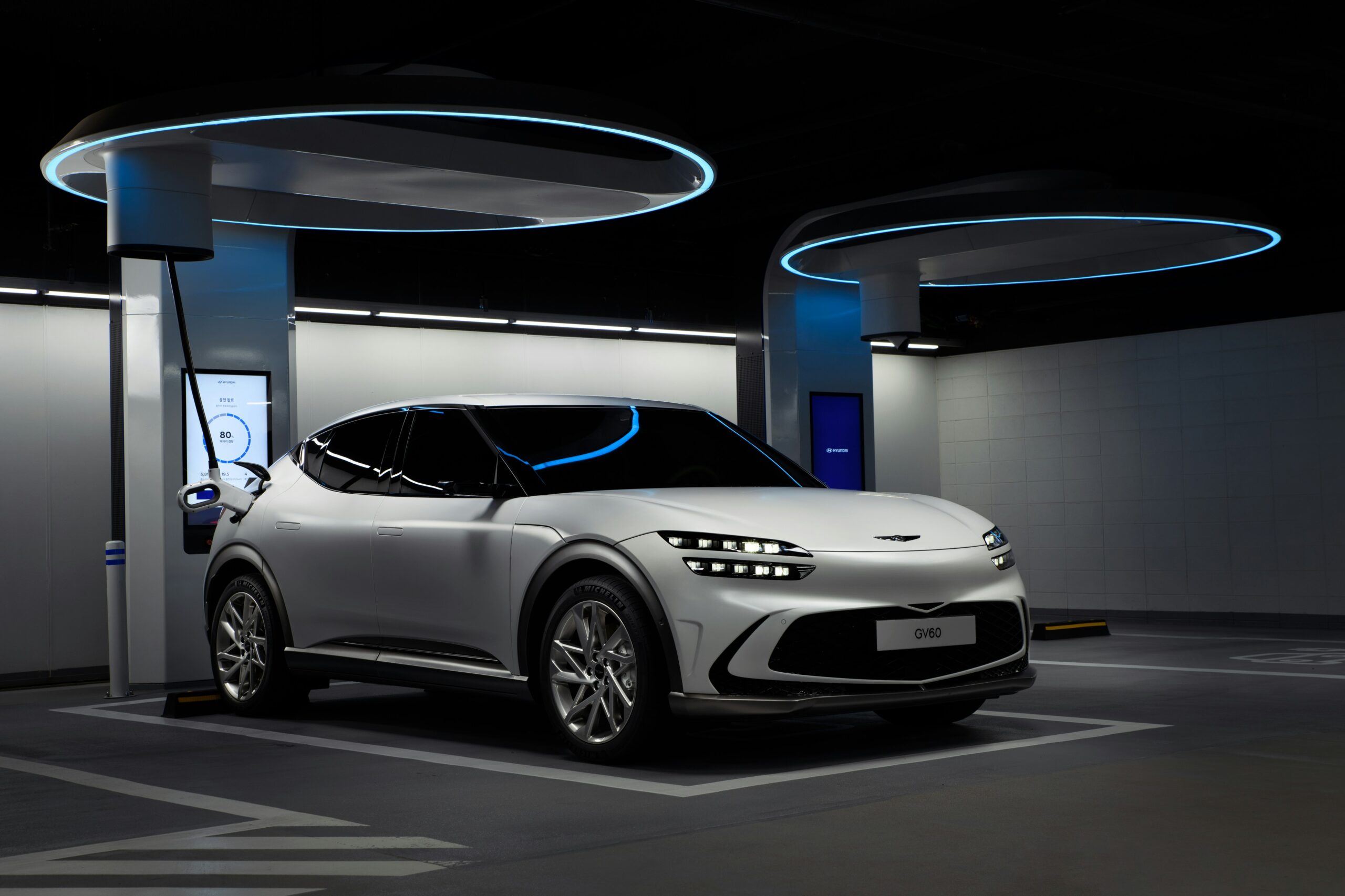
Electric vehicle technology is moving forward at an astonishing speed for modern drivers everywhere. Many people used to worry about spending endless hours stuck at roadside charging stations.
Traditional battery charging methods often turned simple highway road trips into slow and frustrating endurance tests. Drivers had to plan long breaks around slow power outlets during every single long-distance journey.
However, revolutionary high-voltage charging systems are completely changing the daily driving landscape today. Advanced battery platforms now allow vehicles to regain hundreds of miles in just a few short minutes.
This sudden shift makes long-distance electric travel just as convenient as filling up a standard gas tank. You no longer need to sacrifice your personal weekend schedule just to drive an eco-friendly vehicle.
Understanding these incredible technical breakthroughs helps you choose the best vehicle for your personal commuting needs. Let us explore how modern fast-charging platforms eliminate annoying travel delays for good.
High Voltage Architecture Delivers Blazing Speeds

Modern electric vehicles are rapidly switching from legacy four-hundred-volt setups to advanced eight-hundred-volt battery architectures. Doubling the system voltage allows the car to draw massive electric power without overheating vital internal wiring.
This massive technical upgrade drastically cuts total time spent sitting at public highway fast chargers. You can easily add over two hundred miles of driving distance while grabbing a quick coffee.
A. High voltage platforms pull maximum power continuously without generating dangerous electrical heat spikes.
B. Lighter internal cables reduce overall vehicle weight while improving overall energy efficiency on highways.
C. Faster energy transfer speeds keep busy public charging locations moving without long vehicle lines.
D. Stable charging curves allow cars to maintain peak intake rates for much longer periods.
If you frequently take weekend road trips, always look for vehicles with high-voltage battery designs. Higher voltage guarantees you spend less time waiting and more time enjoying your actual destination.
Intelligent Liquid Cooling Prevents Battery Thermal Stress
Rapidly forcing heavy electrical current into lithium cells creates intense heat inside the main battery enclosure. Excess heat can permanently degrade battery capacity over time if cooling systems fail to respond quickly.
Engineers solved this major problem by integrating dynamic liquid cooling channels directly around individual battery cells. Active pumps circulate specialized coolant to keep internal temperatures strictly within safe operating limits.
A. Active thermal management prevents permanent battery degradation during consecutive high-power charging sessions.
B. Direct cell cooling allows maximum power intake even during hot summer road trips.
C. Automated pre-conditioning warms up cold batteries before you arrive at fast-charging stations.
D. Balanced operating temperatures extend the total usable lifespan of expensive energy storage units.
Before plugging into an ultra-fast charger, use your car’s built-in navigation to route directly to the station. The onboard computer will automatically pre-cool or pre-warm the battery pack to achieve maximum charging speed instantly.
Smart Charging Curves Protect Long Term Battery Health
Many first-time electric car buyers worry that ultra-fast charging will quickly destroy their expensive vehicle battery. Modern battery management systems use intelligent software algorithms to protect internal chemistry during every charge session.
The vehicle automatically requests maximum power when the battery level is low and gradually slows power intake as it fills. This smart power taper prevents excessive wear while keeping your overall waiting time extremely short.
A. Dynamic power throttling prevents lithium plating inside battery cells at high charge states.
B. Automated software safety checks continuously monitor cell voltage and temperature during power transfer.
C. Rapid zero-to-eighty percent charge times maximize convenience without causing harsh electrochemical stress.
D. Predictive algorithms adapt charging speeds based on ambient weather conditions and historical usage.
To get back on the road as fast as possible, unplug your vehicle as soon as the battery reaches eighty percent. The last twenty percent charges much slower to protect the battery, so staying longer usually wastes your precious time.
Expanded Megawatt Networks Power Heavy Utility Vehicles
Ultra-fast charging technology is not limited to small passenger sedans and family crossover vehicles. Commercial transport trucks and large delivery fleets require even higher power outputs to keep business operations running smoothly.
Megawatt charging networks deliver immense electrical power designed specifically to fill massive commercial batteries fast. Drivers can completely recharge giant commercial vehicles during standard mandatory rest breaks.
A. Megawatt power stations deliver over one thousand kilowatts to refill heavy commercial vehicles rapidly.
B. Liquid-cooled charging cables allow human operators to handle high-power equipment safely and easily.
C. Standardized commercial plugs ensure total compatibility across different vehicle manufacturers and transport fleets.
D. Rapid commercial turnarounds keep supply chains moving without costly logistical delays.
If you drive a heavy-duty pickup or tow heavy trailers, check station power ratings before stopping. Locating high-output stations ensures your large battery pack charges at maximum speed without bottlenecking your schedule.
Next Generation Solid State Cell Architecture
The ultimate frontier in fast-charging technology relies on replacing liquid electrolytes with solid-state materials. Solid-state battery cells eliminate flammable liquid components entirely while offering vastly superior energy density.
This revolutionary technology handles extreme electrical power without risking dangerous thermal runaway events. Vehicles equipped with solid-state packs will recharge completely in less time than it takes to buy snacks.
A. Non-flammable solid electrolytes provide unmatched safety during high-powered rapid charging sessions.
B. Denser energy storage delivers much greater driving range within smaller and lighter physical battery packs.
C. Extreme resistance to heat stress allows lightning-fast charging even in hot desert climates.
D. Superior structural durability ensures battery packs survive hundreds of thousands of miles easily.
While solid-state technology scales up for mass production, staying informed helps you timing your next vehicle purchase. Choosing a car with an upgraded thermal platform today ensures high trade-in value when next-gen platforms arrive.
Conclusion

Travel delays from slow battery charging are officially becoming a thing of the past. High-voltage architectures and smart liquid cooling systems keep long road trips moving effortlessly.
You can now drive long distances across the country with complete peace of mind. Unplanned hours sitting at roadside chargers no longer ruin your personal travel plans.
Smart software safeguards your long-term battery health while delivering incredible energy intake speeds. Drivers get maximum driving convenience without risking costly premature component wear.
Commercial transport fleets also benefit greatly from these modern high-power network upgrades. Electric trucks now recharge rapidly during normal rest breaks to keep delivery schedules intact.
Future solid-state battery designs will push these charging speeds even further in coming years. Eco-friendly road trips have finally become just as convenient as traditional gas refueling.
Investing in a fast-charging electric vehicle simplifies your personal daily commuting routine instantly. You save valuable time on highway drives while enjoying a smooth and quiet ride.
Take time to explore modern high-voltage electric models available at local dealerships today. Upgrade your daily drive and experience true freedom from travel delays right now.

